
Master Blood Pressure Through Nutrition
Discover how strategic dietary choices can help you maintain healthy blood pressure levels naturally. Our comprehensive resource hub explores the science, practical strategies, and real-world approaches that millions use daily.
The information on this site is for educational purposes only and does not constitute medical advice. Always consult a qualified healthcare professional before making health decisions.
Impact by the Numbers
The target blood pressure range most people aim to achieve through lifestyle changes
Potential reduction in blood pressure with consistent dietary modifications over time
Daily sodium milligrams limit recommended by nutritional guidelines
Typical timeframe to notice measurable dietary impact on blood pressure readings
The Science Behind Food & Blood Pressure
How Nutrition Shapes Your Cardiovascular Health
Your diet directly influences your blood pressure through multiple biological pathways. Sodium intake affects fluid balance in your bloodstream, potassium helps regulate vessel function, and magnesium supports smooth muscle relaxation. Foods rich in antioxidants combat oxidative stress that can harm blood vessel linings, while dietary fiber helps maintain healthy cholesterol profiles.
The DASH approach (Dietary Approaches to Stop Hypertension) emphasizes whole grains, lean proteins, fruits, vegetables, and healthy fats while minimizing processed foods. This evidence-based framework has helped countless individuals worldwide understand that small, consistent dietary adjustments accumulate into significant health benefits over weeks and months.
Individual responses vary based on genetics, current lifestyle, and baseline health status. What matters most is finding sustainable dietary patterns that work for your preferences and circumstances—transformation happens through consistency, not perfection.

Your 5-Step Dietary Transformation
Audit Your Current Intake
Track what you eat for one week to identify sodium patterns, processed foods, and missing nutrients. Most people discover they consume far more sodium than realized. This awareness becomes your baseline for meaningful change.
Reduce Processed Foods Gradually
Begin swapping processed items (canned soups, deli meats, frozen dinners) with whole alternatives. Replace packaged snacks with nuts, fresh fruit, or vegetables. This gradual approach prevents cravings and builds lasting habits over weeks.
Add Potassium-Rich Foods
Incorporate bananas, spinach, sweet potatoes, beans, and avocados daily. These foods help your body regulate fluid balance and support healthy vessel function. Increase variety to ensure consistent nutrient intake.
Control Portion Sizes Mindfully
Use smaller plates, measure servings of oils and grains, and eat slowly. Proper portions prevent calorie excess and help maintain healthy weight, which significantly influences blood pressure naturally over time.
Monitor Progress & Adjust
Track your readings weekly and note which foods make you feel best. Adjust recipes and meal plans based on what you enjoy and what delivers results. Personal discovery creates sustainable change.
Build Community Support
Share your journey with family or friends following similar paths. Exchange recipes, discuss challenges, and celebrate small wins together. Community accountability dramatically increases long-term success rates.
Heart-Healthy Meal Inspirations
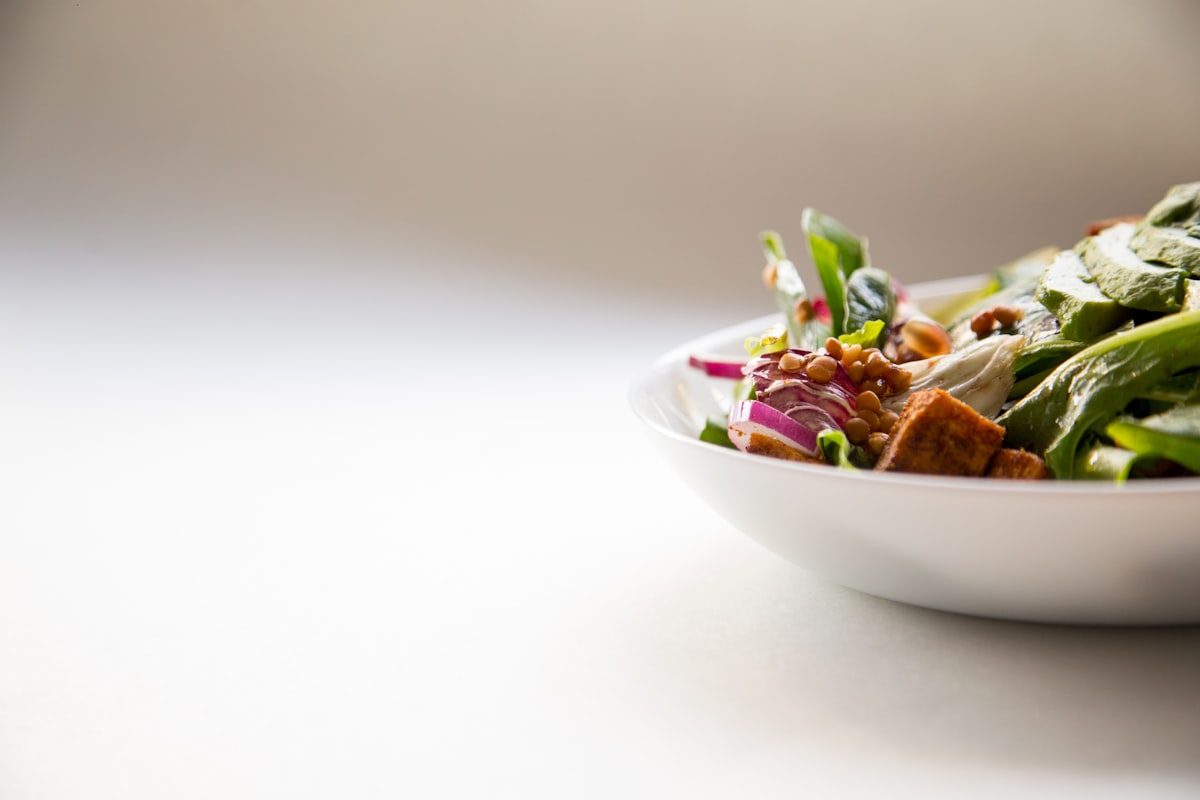
Mediterranean Salmon with Roasted Vegetables
Wild salmon provides omega-3 fatty acids that support healthy blood vessel function. Pair with roasted broccoli, bell peppers, and olive oil for a meal rich in antioxidants and potassium. This dish exemplifies balanced nutrition that supports your cardiovascular goals.
View Recipe Ideas
Vegetable Stir-Fry with Brown Rice
Packed with leafy greens, carrots, mushrooms, and snap peas, this meal delivers fiber and minerals crucial for blood pressure regulation. Brown rice adds sustained energy and additional fiber. Use low-sodium soy sauce or tamari to keep sodium intake controlled.
View Recipe Ideas
Plant-Based Chickpea Curry
Chickpeas offer plant protein and fiber while spices like turmeric provide anti-inflammatory compounds. This nourishing curry combines leafy greens, tomatoes, and legumes—all key components of heart-healthy eating patterns across many cultures worldwide.
View Recipe Ideas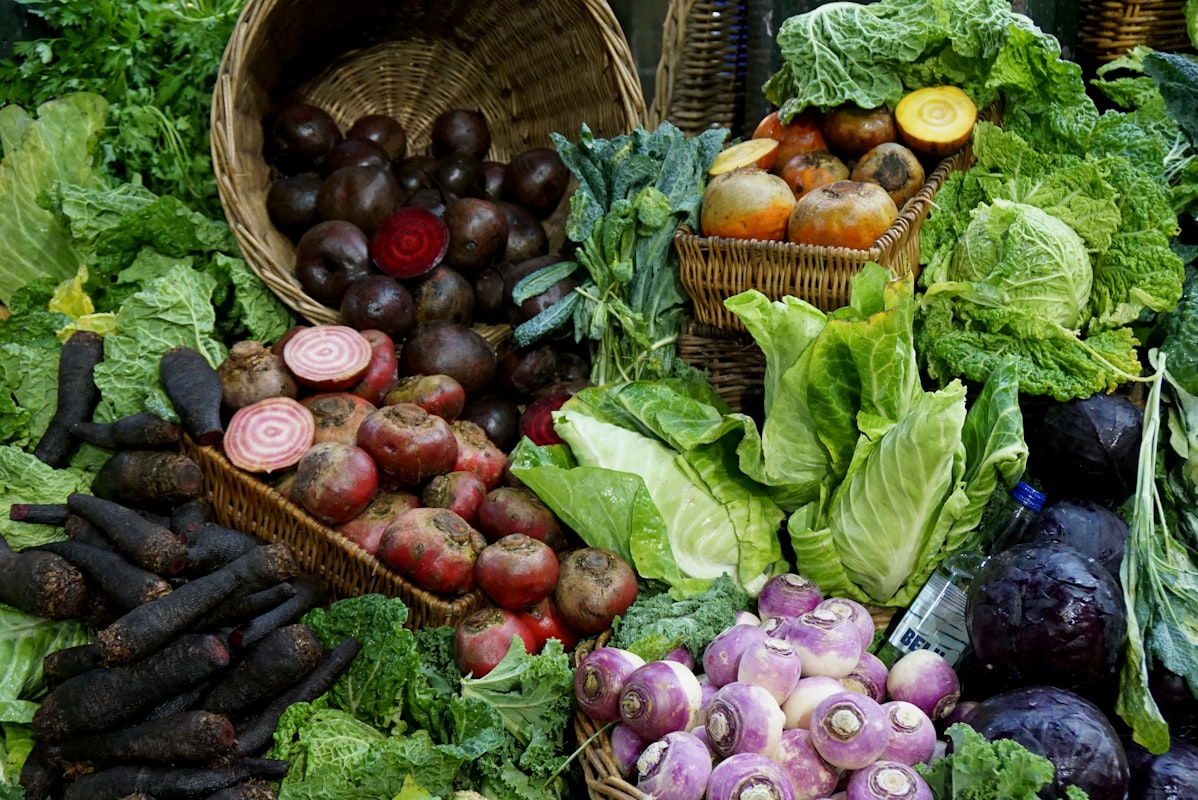
Nutrient-Dense Smoothie Bowl
Blend fresh berries, spinach, banana, and unsweetened almond milk for a breakfast rich in antioxidants and potassium. Top with unsalted nuts and seeds for healthy fats. This convenient meal sets a positive tone for dietary success throughout your day.
View Recipe IdeasKey Nutrients That Matter Most
Potassium
This essential mineral helps your body regulate fluid balance and supports healthy blood vessel function. A higher potassium intake helps offset sodium's effects on blood pressure. Find it in bananas, spinach, sweet potatoes, beans, avocados, and yogurt.
Daily target: 2,600-3,400 mg for most adults
Sodium Control
Excess sodium increases fluid retention and stresses blood vessels. Most dietary sodium comes from processed foods rather than salt added during cooking. Reading labels and choosing fresh, whole foods dramatically reduces intake without sacrificing flavor through herbs and spices.
Daily limit: 2,300 mg (about 1 teaspoon salt)
Magnesium
This mineral supports smooth muscle relaxation in blood vessels, helping maintain healthy pressure naturally. Magnesium also supports overall cardiovascular function. Excellent sources include dark leafy greens, nuts, seeds, whole grains, and legumes consumed regularly.
Daily target: 310-420 mg depending on age and gender
Dietary Fiber
Soluble fiber found in oats, beans, and apples helps manage healthy cholesterol and supports cardiovascular health. Fiber also promotes healthy digestion and stable energy levels throughout your day. Increasing intake gradually prevents digestive discomfort.
Daily target: 25-30 grams for most adults
Antioxidants
Found abundantly in colorful fruits and vegetables, antioxidants combat oxidative stress that damages blood vessels. Berries, dark leafy greens, tomatoes, and bell peppers provide vitamins C and E plus polyphenols that support healthy cardiovascular function naturally.
Variety matters: eat the rainbow daily across meals
Omega-3 Fatty Acids
These healthy fats support healthy blood vessel function and help maintain balanced inflammatory response in your body. Fatty fish like salmon, mackerel, and sardines provide EPA and DHA, while flaxseeds and walnuts offer plant-based alternatives for comprehensive nutrition.
Include 2-3 servings of fish weekly for optimal benefit
Common Questions About Dietary Blood Pressure Control
How quickly will dietary changes affect my blood pressure?
Most people notice measurable improvements within 4-8 weeks of consistent dietary modifications. Some experience positive changes within days, particularly with sodium reduction. Blood pressure naturally fluctuates, so tracking patterns over weeks rather than daily readings provides clearer insight into dietary impact.
Can diet alone manage blood pressure, or do I need additional approaches?
Diet plays a powerful foundational role, but comprehensive lifestyle approaches yield best results. Combine dietary improvements with regular physical activity, stress management techniques, adequate sleep, and maintaining healthy weight. Individual circumstances vary, so consult your healthcare provider about your specific situation.
Is the DASH diet the only effective approach?
While DASH research is extensive, other patterns like Mediterranean, plant-based, and flexitarian approaches also support healthy blood pressure. The most effective diet is one you can sustain long-term. Experiment to find an eating pattern aligned with your preferences, cultural background, and lifestyle—consistency matters far more than perfection.
What about dining out and social situations?
You can absolutely maintain healthy eating patterns while enjoying restaurants and social gatherings. Request dressings and sauces on the side, ask for reduced-sodium preparations, and focus on grilled or steamed options. Plan ahead by reviewing menus online. Small adjustments let you enjoy social occasions while supporting your health goals.
Should I eliminate salt completely?
Your body requires some sodium for nerve and muscle function. The goal is moderation rather than elimination. Reducing processed foods automatically lowers sodium dramatically—you'll find plenty in bread, cheese, and packaged items even without adding table salt. Season with herbs, spices, and citrus instead of salt for delicious flavor.
Can supplements replace dietary changes?
Whole foods provide nutrients in natural combinations that supplements cannot replicate. Food-based approaches deliver fiber, phytochemicals, and nutrient synergies crucial for cardiovascular health. Supplements may support whole food patterns but should never replace them. Prioritize abundant, varied whole foods as your foundation.
How do I handle cravings for salty or processed foods?
Taste preferences adapt within 2-3 weeks as you reduce processed foods. Your palate becomes more sensitive to natural flavors in whole foods. Manage cravings by gradually reducing processed items rather than eliminating them abruptly. Include satisfying whole-food alternatives—roasted chickpeas for crunch, nut butter for richness, berries for sweetness.
Is it necessary to buy expensive organic produce?
Any whole produce—conventional or organic—provides far greater nutritional value than processed alternatives. Budget constraints are real, so prioritize what fits your circumstances. Frozen and canned vegetables (rinsed canned goods to reduce sodium) work wonderfully. Regular whole fruits and vegetables at any price point exceed processed foods nutritionally and for blood pressure support.
Real Stories of Success
"After learning about sodium's impact, I started cooking at home more consistently. The combination of reducing processed foods and adding more vegetables transformed my readings within two months. I feel energized and genuinely enjoy the meals I'm preparing—something I never expected."
Bambang Suryanto
Jakarta, Indonesia
"I was skeptical that dietary changes alone would make a real difference, but the science explained here convinced me to try. My morning readings have become noticeably more consistent, and my family noticed I have more energy. The article on meal planning was especially helpful for staying on track."
Siti Nurhaliza
Surabaya, Indonesia
"What impressed me most was learning exactly which foods matter and why. Instead of vague advice, I understood the connection between potassium, sodium, and cardiovascular health. This knowledge empowered me to make choices confidently. Six months in, my results speak for themselves."
Wijaya Kusuma
Bandung, Indonesia
"The step-by-step approach was perfect for me. I didn't feel overwhelmed because I made changes gradually. The community aspect of sharing recipes with others following the same path kept me motivated. I'm amazed how sustainable this feels compared to restrictive diets I've tried before."
Dwi Handoko
Medan, Indonesia
"My doctor was delighted with my improvement and commented that my dietary commitment clearly demonstrated understanding of how food impacts health. The articles on eating out and managing social situations gave me practical strategies that actually work in real life."
Tri Mulyani
Yogyakarta, Indonesia
"This program transformed my relationship with food. I used to feel guilty every time I ate, but now I understand nutrition from a mental health perspective. The combination of psychology and nutrition science is exactly what I needed."
Ahmad Hernandez
Mexico City, Mexico
Ready to Transform Your Relationship with Food?
Join thousands of people who've discovered the power of combining nutrition with mental health. Start your journey today.